
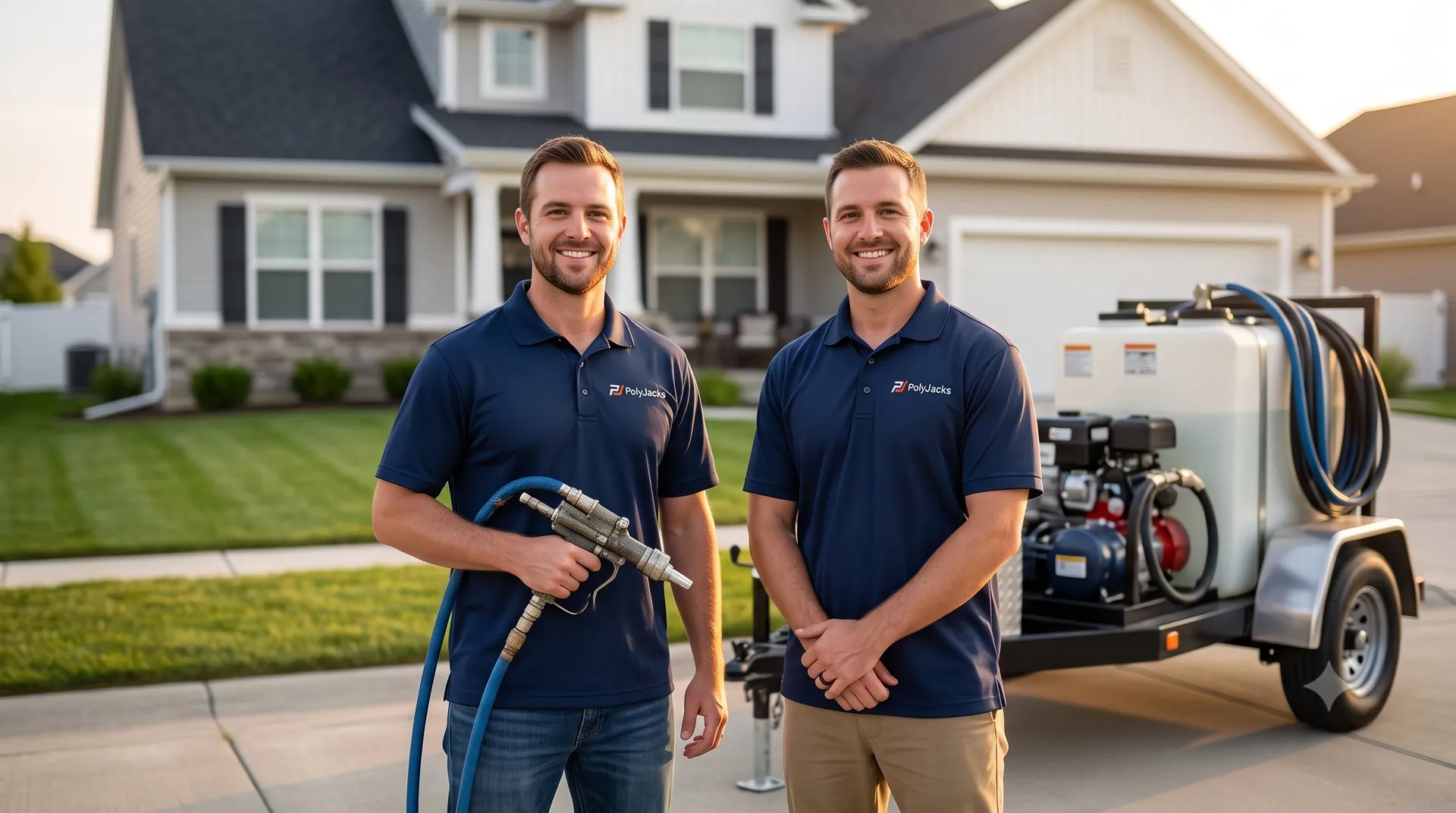
 Illustrative
Concrete Leveling in Lone Jack, MO
PolyJacks levels sunken driveways, patios, and walkways in Lone Jack, MO with foam injection: free on-site estimate for every visit.
Lone Jack sits along the US-50 corridor in southeastern Jackson County, close to Pleasant Hill and Greenwood, with Grain Valley and Blue Springs a short drive north. The clay soil and open, rural drainage patterns here mean water moves slowly across the ground, which can undercut long rural driveways and outbuilding slabs over time, especially where a driveway culvert or ditch isn't keeping up. Historically a farming community, the area is still home to larger lots, longer driveways, and older concrete than you'll find closer to the urban core.
A Battle Fought on Main Street
Lone Jack's post office dates to 1839 and the town was platted in 1841, named for a single blackjack oak tree that stood as a landmark on the open prairie. On August 16, 1862, Union troops were defeated by a much larger Confederate force in the Battle of Lone Jack, with fighting that took place directly on the town's main street for roughly five hours. The town stayed a tiny farming community for over a century — 199 residents in 1970 — before growing to 1,492 by 2020, though it remains one of the smallest, most rural towns in this service area.
What We Level in Lone Jack
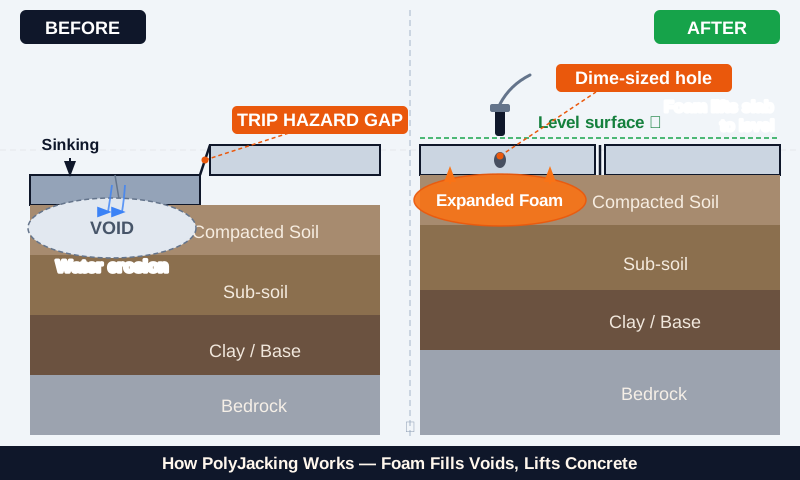
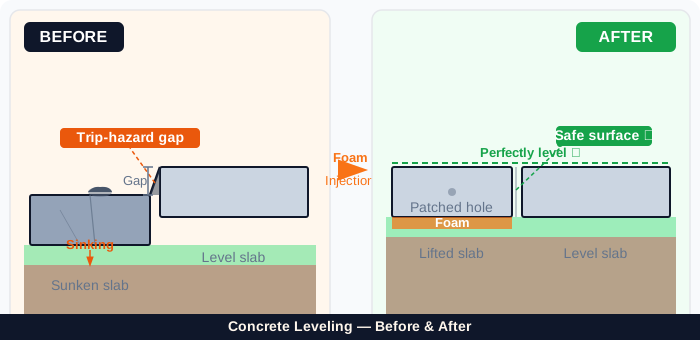
Around Lone Jack, we spend a lot of time on long driveways, front walkways, patios, porch and step slabs, and garage floors - including detached garages and outbuildings common on larger rural lots. We also fill voids under slabs that haven't visibly sunk yet but sound hollow when you walk them. The process doesn't change with lot size: a few dime-sized holes drilled at the settled spots, polyurethane foam injected underneath, and the slab lifts back to level as the foam expands and cures in minutes. For a long rural driveway, that can mean working several sections in one visit rather than a single small slab. Either way, it's driveway leveling and concrete leveling without ripping out and repouring.
Not sure why a slab settled in the first place? Read why a patio sinks in the Kansas City area or why a garage floor ends up uneven.
Where Long Lone Jack Driveways Give Out First
On an acreage driveway that runs a few hundred feet from the county road up to the house, settling almost never starts in the middle. It starts at the ends and at the crossings. The first spot to check is where the drive meets the road, because that is where the culvert sits: if the pipe is crushed, silted in, or undersized for the ditch it serves, water backs up and works sideways under the slab edge instead of passing through. The second is the gravel-to-concrete transition partway up, where runoff drops off the paved edge and cuts a channel underneath it. The third is the apron at a detached garage or shop, which usually got the least base preparation of anything on the property. Southeastern Jackson County's clay holds that water rather than draining it, so a void that starts small at one of those three points tends to spread along the slab instead of staying put. Walk them after a hard rain. That is when the low spots show themselves. Five drainage mistakes that sink a driveway covers the ones we find most often.
Polyjacking vs. Mudjacking for Lone Jack Properties
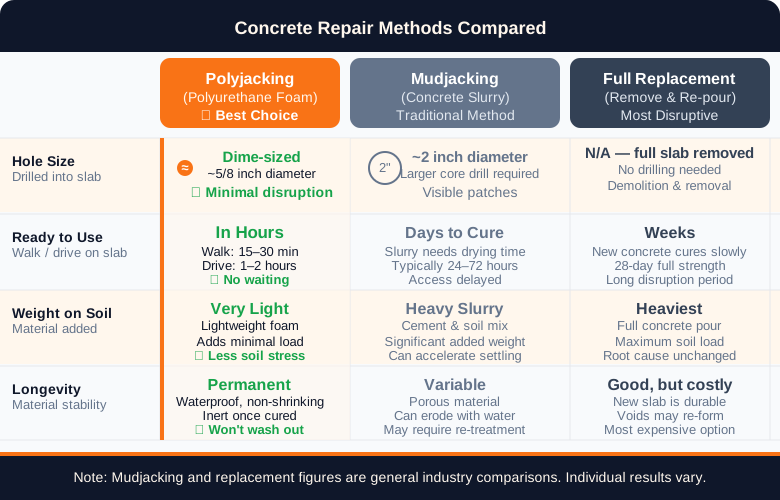
Mudjacking's heavy cement slurry has been used to lift sunken concrete for a long time, and it can still get a slab back up. The tradeoff is the slurry's weight and the much larger holes it requires, which matter more on the kind of clay and open farmland soil common around Lone Jack. Polyurethane foam is a lighter, waterproof alternative - it goes in through holes closer to the size of a dime, expands to fill the void, and cures in minutes rather than days, so a long rural driveway doesn't sit unusable for long. If a section of your driveway or a step slab needs something mudjacking or foam simply can't fix, we'll tell you that plainly during the estimate instead of pushing a repair that won't hold.
Serving Lone Jack and Southeastern Jackson County
PolyJacks is a locally owned crew out of Spring Hill, Kansas, and Lone Jack falls within the territory we cover regularly across the Kansas City metro. We also serve Pleasant Hill, Greenwood, Oak Grove, Grain Valley, Lee's Summit, and Blue Springs. Whether you're on a farmstead off Highway 50 or a newer property closer to town, we bring the same free estimate and the same foam-injection process to every job. Call or book online to get a visit scheduled.
Why concrete settles in Lone Jack: the local risk data
In Lone Jack, about 43.0% of Jackson County's soil rates high-shrink-swell (USDA). Lone Jack grew from 199 residents in 1970 to 1,492 in 2020, so newer slabs now sit beside long-established ground.
Kansas City averages about 80 freeze-thaw days a winter — 79.6 over the last 31 winters at KCI (NOAA station records, 1995–2026).
Sources: USDA SSURGO · NOAA / ACIS (KCI) · local record. See the full KC Concrete Settlement Risk Index.
Our concrete leveling services
Driveway Leveling
Raise a sunken driveway (or a slab that's dropped at the garage) back to level in a few hours, no tear-out.
Driveway levelingSidewalk Leveling
Kill trip hazards and even out uneven walks and paths: safer footing, less liability.
Fix a sidewalk trip hazardPatio Leveling
Re-level a patio that's settled, split at the seams, or pools water after every rain.
Level an uneven patioGarage Floor Leveling
Lift a settled garage floor slab back to even, without jackhammering it out.
Lift a settled garage slabPool Deck Lifting
Raise a sunken pool deck back to level without draining the pool. Foam won't wash out.
Pool deck liftingPorch & Step Leveling
Bring settled porches, stoops, and concrete steps back to safe, even height.
Raise a sinking porchCommercial Leveling
Warehouse floors, ADA trip hazards, parking and loading areas — leveled with minimal downtime.
Raise a warehouse or dock floorConcrete leveling near Lone Jack
PolyJacks is your local concrete leveling contractor in Lone Jack — we serve Lone Jack and the surrounding communities:
Real job documentation
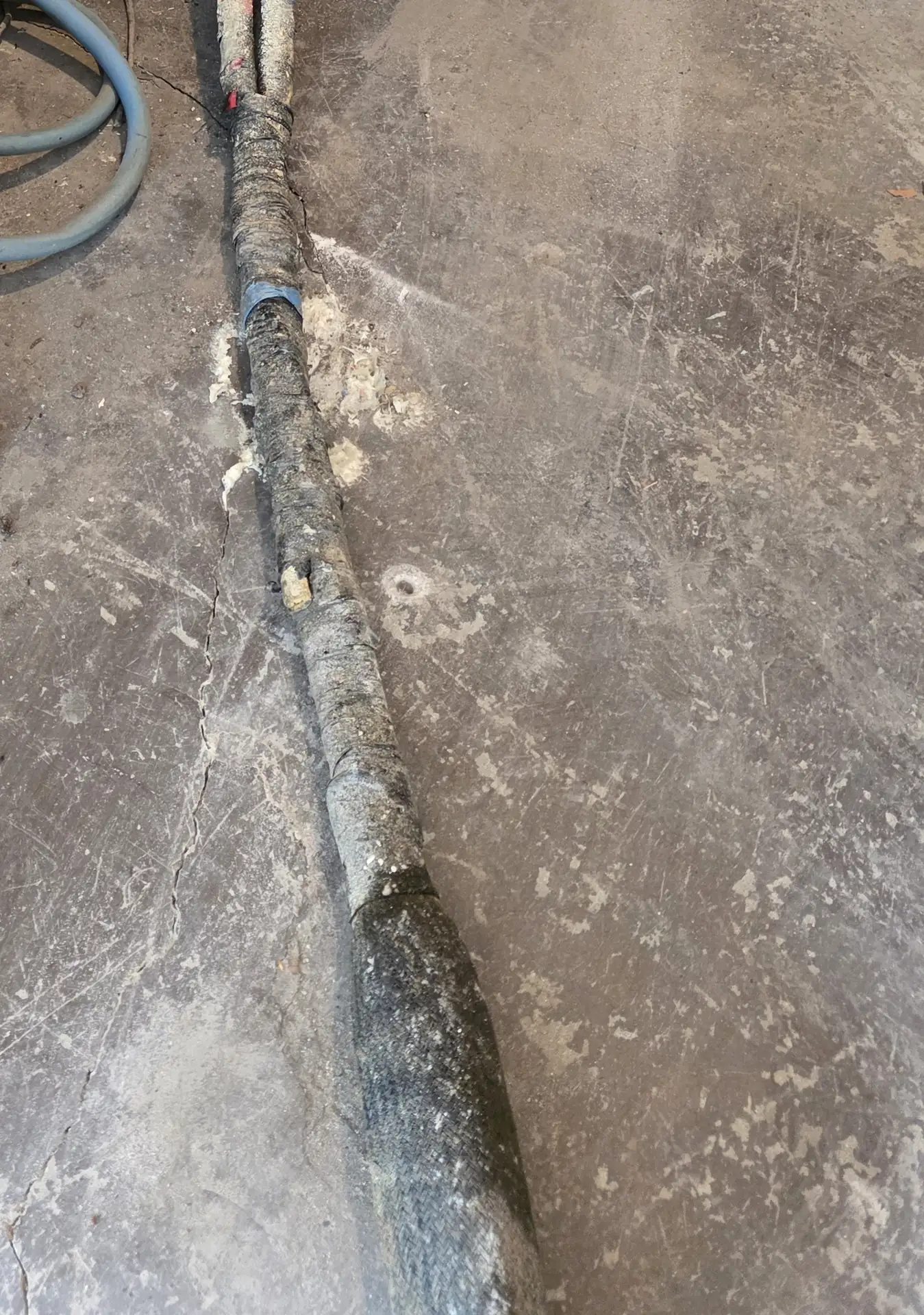
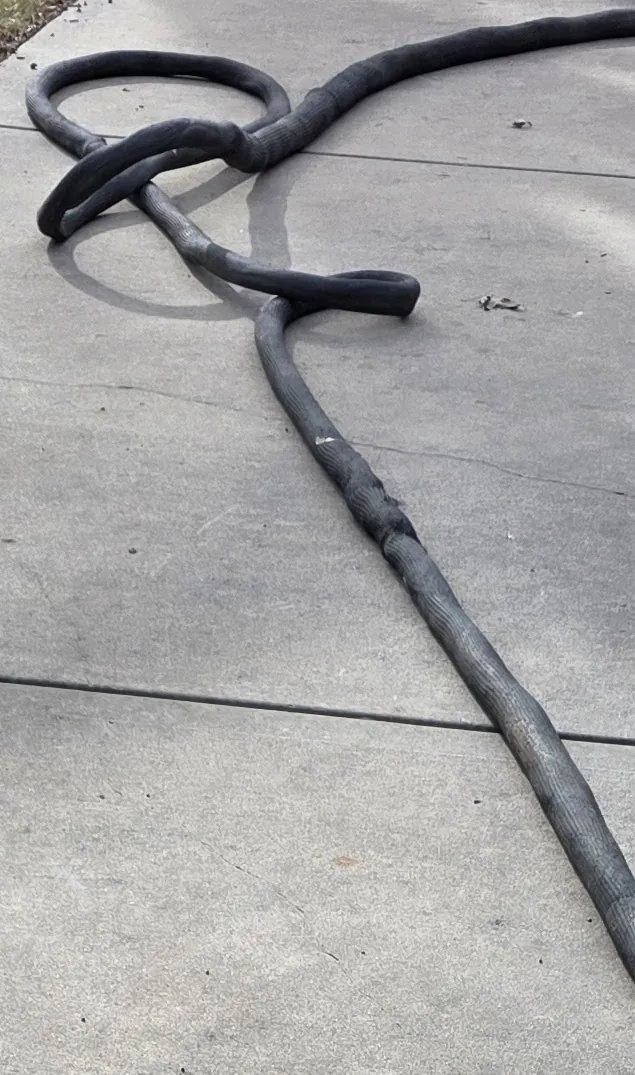
How polyjacking works in 90 seconds
Our team walks you through the three-step process: dime-sized holes, high-density polyurethane foam that fills every void and compresses the soil beneath your slab, and use within hours with no heavy trucks. Call (913) 713-7794 or book a free estimate below.
Frequently asked
How much will it cost to level my driveway in Lone Jack?
It depends on the length of the driveway and how much foam it takes, so we don't quote a number without seeing it first. We'll give you a free, no-obligation estimate on-site.
Can you handle a long rural driveway, not just a small patio?
Yes - we regularly work on longer driveways and outbuilding slabs on the larger lots common around Lone Jack, working section by section as needed.
How soon can I drive on it after the work is done?
The foam cures in minutes. On a Lone Jack driveway you can usually walk across it after 15 to 30 minutes and take a vehicle over it within 1 to 2 hours.
Is this a permanent repair?
The foam itself is waterproof and won't wash out, but if a drainage issue like a failing culvert or ditch caused the settling, that needs to be addressed too or the ground can shift again. We'll flag anything we see during the estimate.
Do you come out to rural properties, or just in town?
We serve Lone Jack and the surrounding rural areas the same as anywhere else in the metro, including Pleasant Hill, Greenwood, Oak Grove, and Grain Valley.
Where does the name Lone Jack come from?
It's named for a single blackjack oak tree that stood as a landmark on the open prairie where the town was platted in 1841. The town's post office dates back even earlier, to 1839.
Is there a concrete leveling company near me in Lone Jack, MO?
Yes — PolyJacks levels concrete in Lone Jack, MO. Most jobs take 2–4 hours, you can walk on the slab in 15–30 minutes, and drive on it in 1–2 hours, back in use the same day. Book a free Lone Jack estimate.
Free concrete leveling estimate in Lone Jack
No obligation. Honest advice, usable within hours. If foam isn't the right fix, we'll tell you straight.
Pick a time that works for you
Book right here on this page. Prefer to talk? Call (913) 713-7794.