
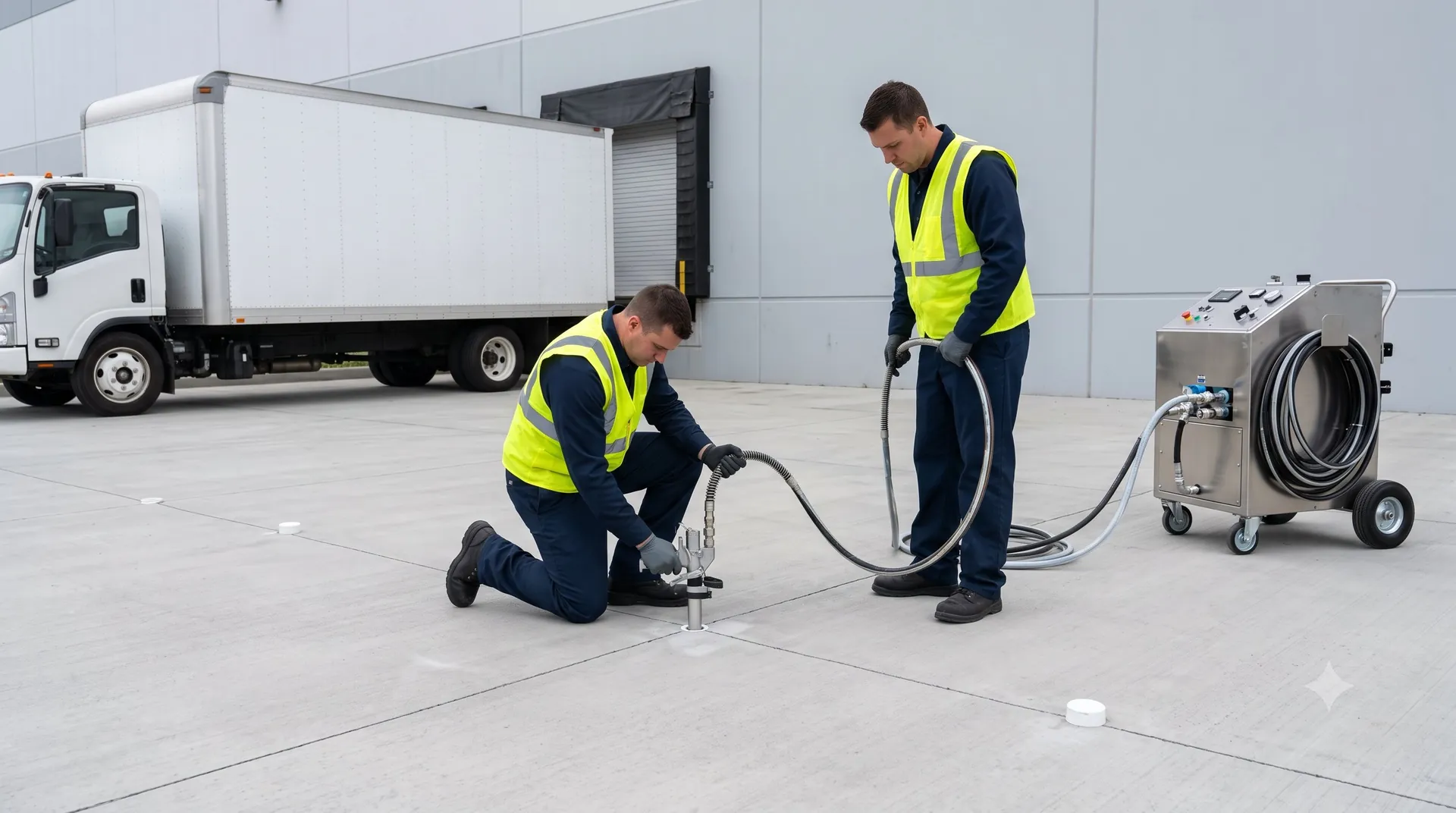
 Illustrative
Commercial Concrete Leveling in Kansas City: Parking Lots, Loading Docks & Warehouse Floors
PolyJacks levels uneven commercial concrete—warehouse floors, ADA trip hazards, parking lots, and loading areas—by injecting waterproof polyurethane foam through dime-sized holes, raising the slab back into place without tearing out or replacing it. Most commercial jobs are completed in 2-4 hours, with the surface ready to use within hours. PolyJacks serves the Kansas City metro and offers a free on-site estimate for every project.
The Loading Dock Apron Problem: When Two Inches Stops a Shift
The concrete apron outside a warehouse loading dock door takes punishment that no residential slab ever sees. Heavy trucks back into it repeatedly. Forklift axle loads roll across the joint between the interior warehouse floor and the outdoor apron dozens of times a day. The apron is fully exposed to temperature extremes: freeze cycles in winter, heat expansion in summer, while the interior slab is climate-buffered.
The result is predictable: the dock apron sinks. Two to three inches of settlement at the apron edge creates a transition gap that the dock leveler plate can't bridge cleanly. Dock doors start binding. Forklift loads tip at the threshold. Pallets catch the edge. OSHA's incident log starts filling with entries from a two-inch concrete drop that would have cost a fraction of the fine to fix.
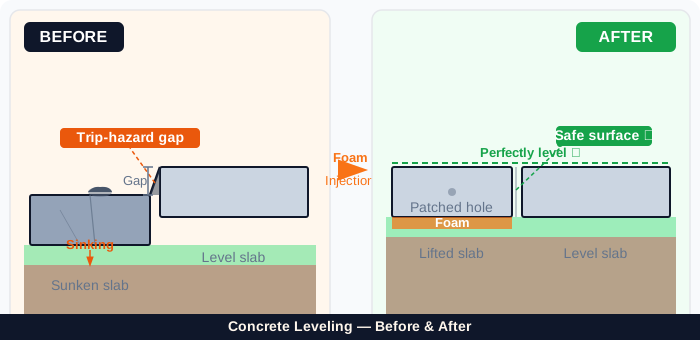
Polyurethane foam injection addresses the dock apron directly. We drill through the settled slab, inject foam to fill the void and lift the apron back to dock height, and the concrete is ready for forklift traffic in 1 to 2 hours. No replacement timeline. No dock closure measured in weeks.
A dock apron is rarely the only slab moving on a commercial site. When a settling dock or warehouse floor means it's time to call follows the same problem across warehouse floors, parking lots and drive lanes, and lists the signs that say the wait has gone on long enough.
OSHA's Walking-Working Surfaces Standard and Your Warehouse Floor
OSHA's walking-working surfaces requirements (29 CFR 1910.22) place the burden on employers to maintain workplace floor surfaces in safe condition. A warehouse floor that develops a settled low spot, especially near equipment travel paths, dock approaches, or pedestrian crosswalks, creates a compliance exposure that compounds with every recorded slip or trip incident.
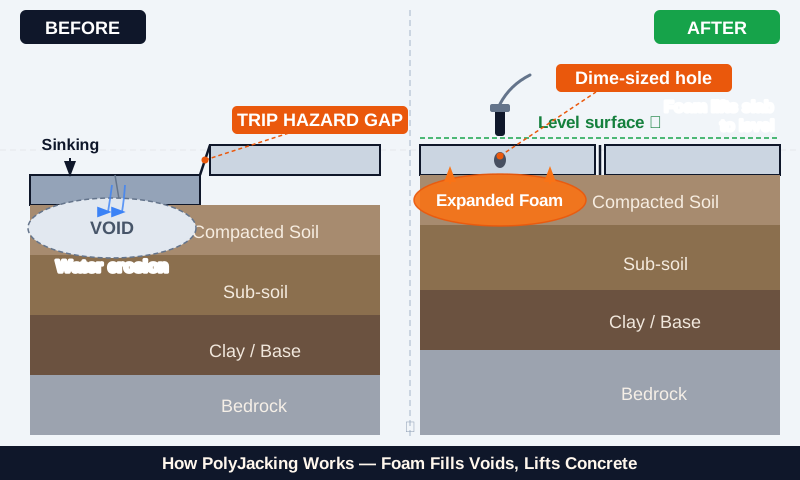
The specific concern with void-related settlement is that a slab may look level but have a growing void beneath it. When a void reaches a critical size, the slab can crack suddenly under forklift load, producing a surface failure in the middle of a shift rather than the gradual slope that a visual inspection would catch. Foam injection fills the void before that failure, stabilizing the slab from below without taking the floor out of service for the cure period that replacement requires.
We handle commercial warehouse floors across the KC metro. If you've had a forklift incident near a floor joint or noticed a soft spot underfoot, a free on-site walkthrough will tell you whether leveling is the right intervention.
ADA Parking Lots: Accessible Spaces That Drift Out of Compliance
ADA accessibility standards require accessible parking spaces and the access aisles connecting them to sidewalks and building entries to remain within strict slope tolerances. A parking lot that was poured to specification will eventually see settled sections, particularly at the edges of accessible spaces, near curb cuts, and along access aisles that drain toward a low corner of the lot.
Once a settled slab pushes an accessible space or aisle out of ADA tolerance, the parking lot has a documented compliance issue. That exposure sits in two places: the landlord's liability for a disabled tenant or customer who cannot safely use the space, and the potential for a formal ADA accessibility complaint.
Concrete leveling lifts the settled slab section back toward its original grade with precise foam injection. The injection process is staged and measured. We check the lift incrementally so the section comes up evenly, not just high at the injection point. That precision matters for accessible spaces. The 2010 ADA Standards set a maximum running slope of 1:48 for access aisles and the approach to accessible spaces. A settled slab that pushes a space or aisle past that ratio is out of compliance, and the correction is measured in the slope, not in the absolute height of the slab.
Will the Foam Hold Up Under Forklift and Truck Traffic?
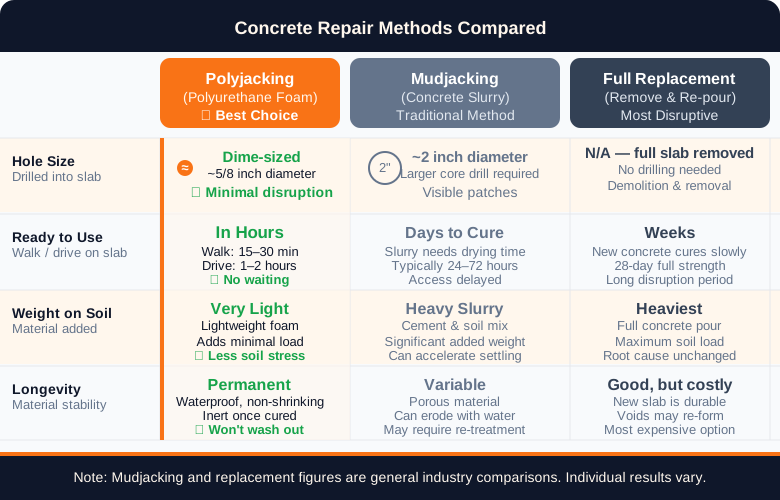
Commercial property managers ask this before signing every estimate: the foam cures rigid and load-bearing. Once the two-part polyurethane cures (which takes minutes, not hours) it does not compress further under normal operating loads. It does not absorb water, wash out, or shrink over time. The concrete slab above it is the same slab it was before the lift; it now just has solid material beneath it instead of a void.
The 48-hour window before heavy vehicles return is a soil re-settling period, not a foam-curing period. The foam is cured in minutes. The 48 hours lets the ground around the foam stabilize after the pressure of injection. Standard warehouse foot traffic and most forklift operations can resume in 1 to 2 hours.
We've leveled loading dock aprons, warehouse drive aisles, and parking lot sections serving regular semi-truck traffic across the KC metro. If a specific load situation is a concern for your property, we'll address it directly during the free walkthrough. Not after the foam is in.
For a facility manager comparing methods, this is the practical difference in concrete lifting: the slab you already have goes back to grade on a solid base, with no replacement pour and no weeks-long closure. Polyjacking vs mudjacking covers how the two approaches differ.
If you are weighing how the lift holds up over the years, see how long concrete leveling lasts.
Phased Leveling: How We Work Around an Active Operation
Commercial leveling is not a residential job scaled up. Property managers can't close a parking lot for a week or take an entire loading dock row out of service while replacement concrete cures. Foam injection is designed for exactly that constraint.
The approach: we divide the work into zones. One dock, one parking row, one aisle section at a time. A zone gets leveled, drilling dust gets swept, holes get patched, and that section reopens before the next zone comes offline. Traffic flows around the work, not away from it.
We schedule commercial jobs around dock windows, delivery schedules, and tenant foot-traffic patterns. If your facility runs two shifts, we can schedule early-morning slots for one dock and overnight slots for another. All of that gets mapped during the free site walkthrough before a single hole is drilled. We don't assume one schedule fits every commercial property.
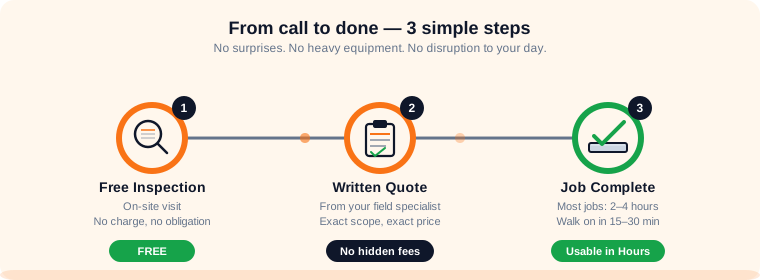
On-site visit. No charge, no obligation.
FREEFrom your field specialist. Exact scope, exact price.
NO HIDDEN FEESMost jobs: 2–4 hours. Walk on it in 15–30 minutes.
USABLE IN HOURSWe lift your slab from underneath. In hours, not days
A dime-sized hole. Waterproof foam. Your concrete rises back to level.
- 1. Drill dime-sized holes
- 2. Inject expanding foam
- 3. Slab lifts back to level
Level. Done. In Hours.
2–4 HOURS · WALK ON IT IN 30 MIN · WATERPROOF FOAM
The foam is lightweight. It re-supports your slab without overloading the soil, and it’s waterproof, so it won’t wash out like mudjacking.
Commercial Concrete Replacement vs. Foam Injection at Scale
Replacing a 1,000 square foot section of parking lot concrete means demo, haul, pour, and cure. Typically a week or more from equipment arrival to traffic return, plus a cost that scales with every square foot. For a settled loading dock apron or a few settled parking rows, replacement is rarely the right economic decision when foam injection is available.
The math that drives most commercial leveling decisions: foam injection costs a fraction of replacement and the concrete is back in service within hours. For a breakdown of what drives commercial leveling cost in the KC metro, see what commercial concrete leveling costs. The slab being lifted is structurally sound. It settled because the soil beneath it moved, not because the concrete itself failed. Replacing a sound slab to fix a soil problem doesn't prevent the same settlement from happening to the new pour.
Foam fills the void that caused the settlement. That's the correct intervention. Replacement is the right call only when the slab itself has failed structurally, and we'll say so on the estimate rather than push a foam job on a slab that needs to be replaced.
Commercial Service Radius: Up to 100 Miles from Kansas City
PolyJacks serves residential jobs within roughly 50 miles of our Spring Hill, Kansas base. For commercial work (parking lots, warehouse floors, loading dock aprons, large HOA common areas), we extend that radius to 100 miles.
That puts commercial properties in Lawrence, Leavenworth, Ottawa, and Paola, Kansas within range on the western side, and Sedalia, Warrensburg, and Chillicothe, Missouri within range on the east. Larger job scopes justify the drive; we assess commercial travel scheduling project-by-project.
The I-435 corridor through Overland Park and Olathe, the MCI Airport industrial district, and the I-29/I-70 interchange area all fall within our commercial service area.
We work with property managers, commercial landlords, and HOAs on both sides of the state line. Johnson, Miami, Leavenworth, and Douglas counties in Kansas; Jackson, Cass, Clay, Platte, and Lafayette counties in Missouri.
When We Recommend Replacement Instead of Leveling
Not every settled commercial slab is a leveling candidate, and we won't quote a job we don't think will hold.
Slab shattered or broken into multiple pieces. Foam lifts a structurally sound slab. A dock apron that has broken into loose fragments under repeated impact loading needs to be replaced, not lifted.
Active plumbing or drainage failure under the slab. A broken underground line washing out soil faster than foam can fill it will re-settle the lifted slab. The source gets fixed first; we come in after.
Settlement from foundation movement. If a building's footing or foundation wall is moving, the slab adjacent to it will continue to move. That's a structural problem, not a soil-void problem, and it's outside our scope. We refer those calls to structural engineers.
The free site walkthrough is where we sort this out. No pressure to proceed, no estimate ambiguity. You hear a straight recommendation on whether foam is the right fix before any deposit is requested.
Free Commercial Site Walkthrough: Call Any Time
Every commercial job starts the same way: we walk the property with you, identify every settled or voided section, and produce a firm quote for the full scope before anything is drilled.
That walkthrough covers dock aprons, parking lot sections, warehouse floor joints, walkways, access aisles, and any other concrete surface that has settled or that you're concerned about. One visit, full property.
PolyJacks is a locally owned operation based in Spring Hill, Kansas. The owner, who is also the lead technician, takes commercial estimate calls directly.
Call or text (913) 713-7794 or fill out our contact form. Commercial radius up to 100 miles from Kansas City.
What the work actually looks like
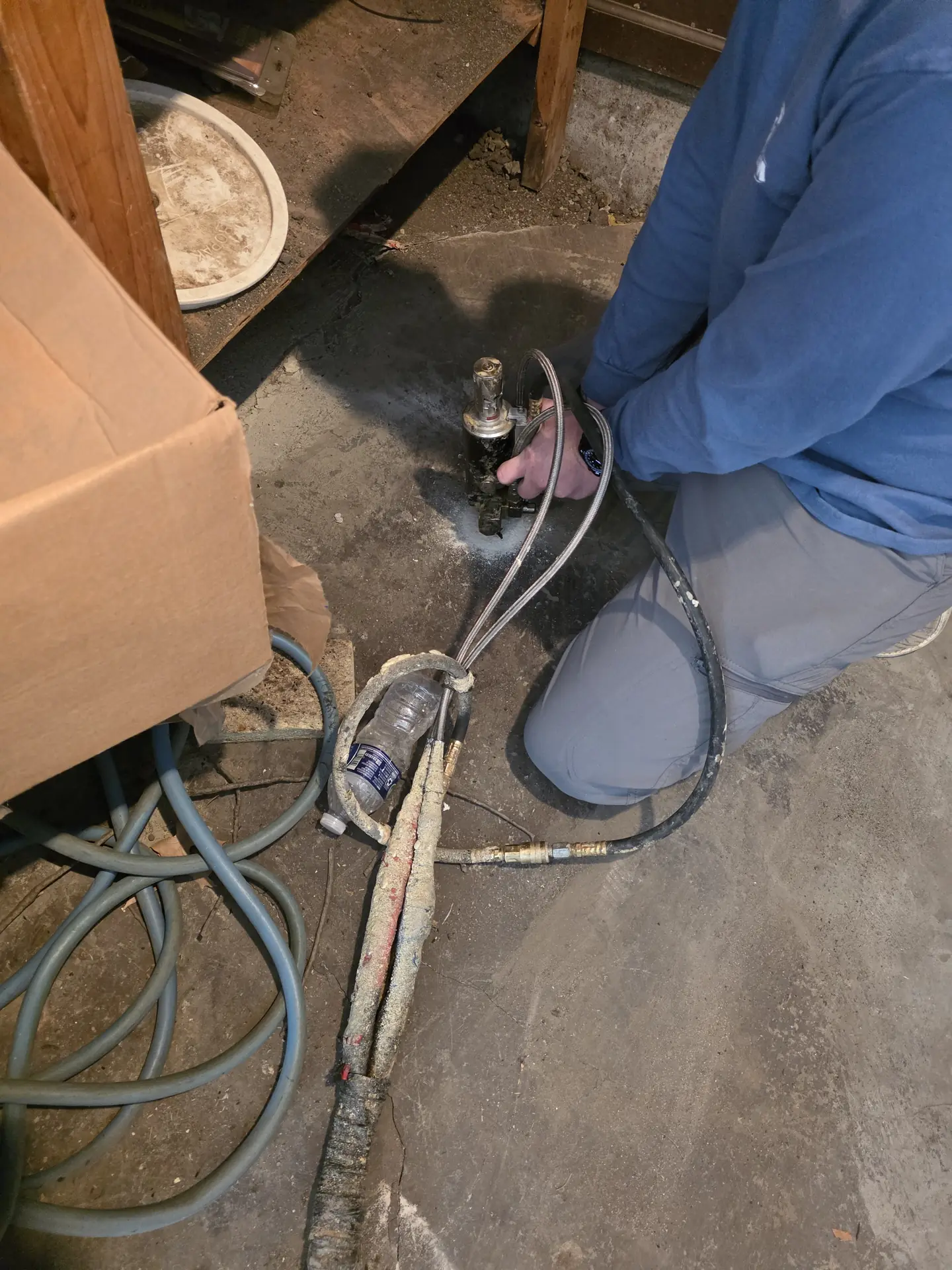
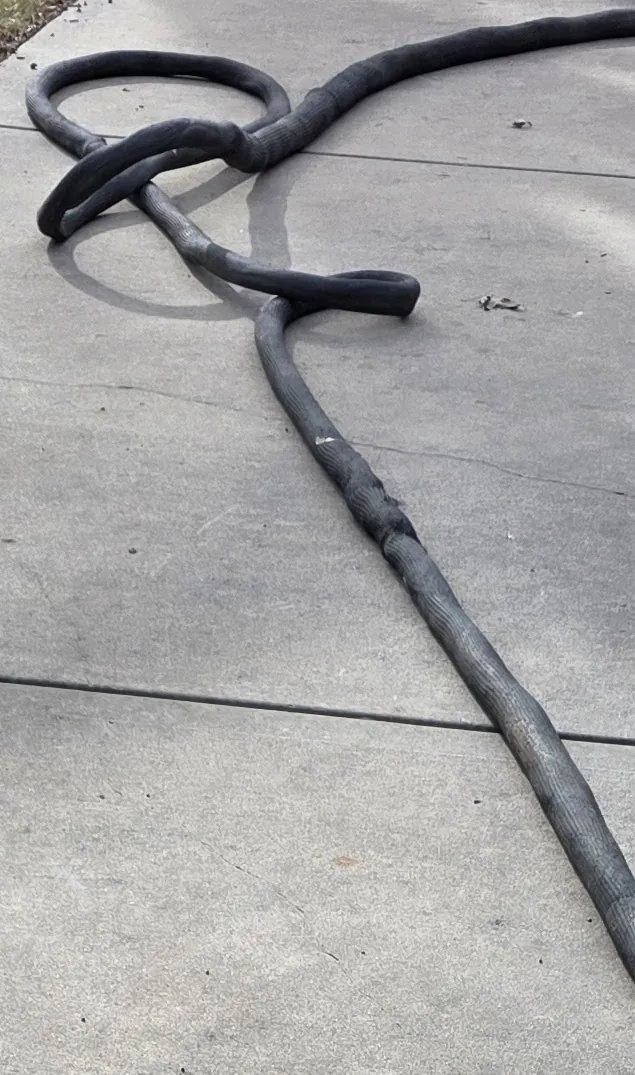
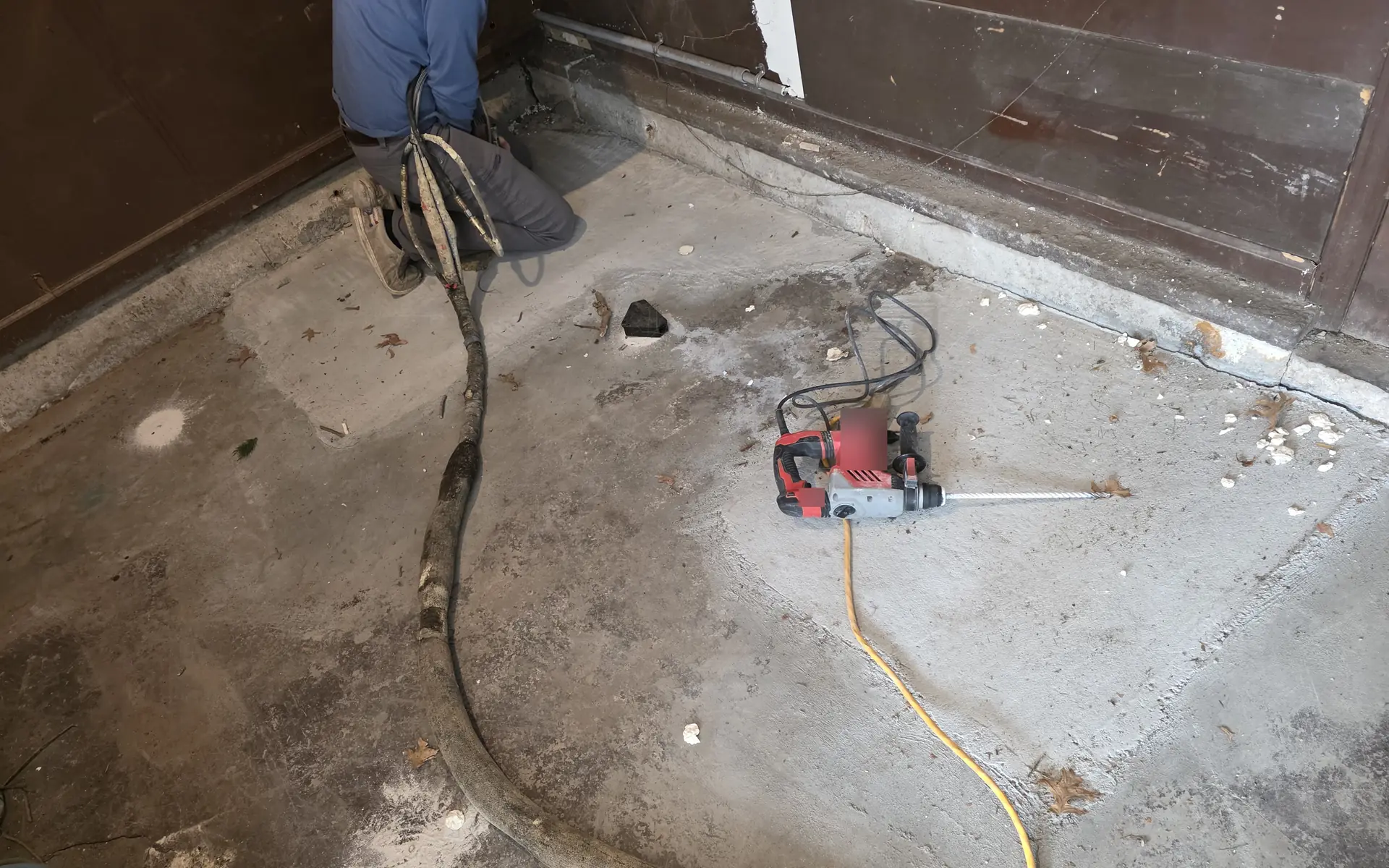
How polyjacking works in 90 seconds
Our team walks you through the three-step process: dime-sized holes, high-density polyurethane foam that fills every void and compresses the soil beneath your slab, and use within hours with no heavy trucks. Call (913) 713-7794 or book a free estimate below.
Frequently asked
Can you level our warehouse floor or loading dock while the operation is still running?
Yes. We work in zones. One dock, one aisle section, one parking row at a time, so the rest of the facility stays operational while one section is down. Leveled sections reopen to foot traffic in 15 to 30 minutes and to forklift traffic in 1 to 2 hours. We schedule around your dock windows and shift changes; that's a standard part of the estimate conversation.
Will the foam hold up under forklift and heavy truck loads after the lift?
Yes. Polyurethane foam cures rigid in minutes. It does not compress under operating loads, absorb water, or shrink over time. The concrete slab above it is the same slab; it now has solid material beneath it instead of a void. We ask that heavy vehicles stay off the lifted section for 48 hours while the surrounding soil re-settles around the foam. Standard forklift traffic can resume within 1 to 2 hours in most cases.
Can leveling restore ADA compliance in a settled accessible parking space or access aisle?
In most cases, yes. Foam injection is a precise lift. We inject in controlled stages and check grade as we go, so the slab comes up evenly rather than high at one point. A space or aisle that has settled out of ADA slope tolerance can often be lifted back within spec. We assess the specific space during the free site walkthrough and give you a straight answer before quoting.
Do you need a city permit to level commercial concrete in Kansas City?
Concrete leveling via foam injection typically does not require a permit in KC metro municipalities because it involves no demolition, no new structural work, and no change to the slab footprint. The existing slab is lifted in place. Requirements vary by jurisdiction; if your property is subject to specific local rules or if you manage a property for a municipality, we'll clarify that during the estimate before any work begins.
How far from Kansas City will you travel for a commercial job?
Up to 100 miles from the KC metro for commercial work. That covers Lawrence, Leavenworth, Ottawa, and Paola in Kansas and reaches Sedalia, Warrensburg, and other communities in western Missouri. Residential jobs run within a roughly 50-mile radius. Call (913) 713-7794 to confirm whether your location is in range.
Only part of our parking lot is settled. Do you have to do the whole lot?
No. Foam injection is site-specific. We drill where the void is and lift what needs lifting. A single settled parking row, one dock apron, or one access aisle section can be leveled on its own. We produce a quote for exactly the scope you need, not a whole-lot replacement package. If adjacent sections are developing voids that will need attention soon, we'll point them out on the walkthrough so you can decide whether to address them now or separately.
Get your free concrete leveling estimate
No obligation, and if foam isn't the right fix, we'll tell you straight.
Pick a time that works for you
Book right here on this page. Prefer to talk? Call (913) 713-7794.